INVESTIGATION / SOCIETY’S PERSPECTIVE ON THE ELDERLY: The Sad Decline in the Status of Elders
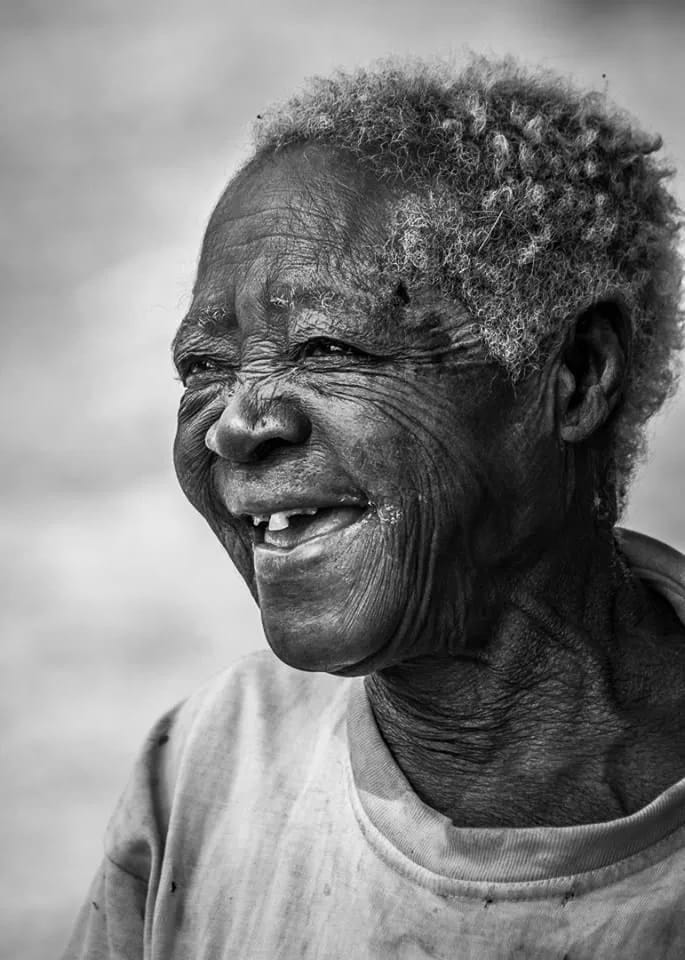
Once revered as pillars of wisdom and guardians of tradition, the elderly are seeing their social status erode in Benin. Between youth disinterest, precarious living conditions, and persistent prejudices, society’s view of old age has profoundly changed.
In both cities and rural areas, the observation is disheartening: the respect once naturally accorded to elders is crumbling. Disparaging remarks, mockery, or simple indifference now punctuate the daily lives of many seniors. For Augustin Tchabi, a social worker and specialist in gender and social inclusion, these trends reflect profound transformations in our society.
« Today, under the influence of urbanization, the rise of individualism, and economic constraints, the place of seniors is increasingly marginalized, » laments the specialist. A striking paradox: while they embody a living memory and an invaluable intangible wealth, many of our elders are now perceived as a burden.
On a daily basis, this marginalization manifests itself in minor incivilities that have become commonplace, but also in a loss of family support. Augustin Tchabi recalls a poignant scene at a bank teller window in Parakou: despite an elderly person struggling to stand, none of the young people in line saw fit to give up their place.
For some young people, like Franck, interviewed on site, this distance stems more from mistrust than contempt: « With everything we hear these days, we can no longer distinguish good people from bad fleas or spirits. » This testimony highlights a deeper problem: the cultural stigmatization that sometimes equates the elderly with witchcraft.
As a consequence of this shift in perception, many elders develop a feeling of uselessness and rejection. Mamadou A., a shoemaker in his fifties with a modest income, bitterly testifies: “These days, young people only take notice of you if you’re well-dressed or drive a fancy car. People like us are sometimes seen as the demons of the city.”
According to social work experts, this loss of bearings is explained by the convergence of several factors:
The shift from the extended family to the nuclear family gradually isolates the elderly.
Modern society values youth and immediate economic productivity almost exclusively.
Faced with their own urgent needs, families sometimes neglect the material and financial support owed to their parents.
The inadequacy of support and social protection structures increases the vulnerability of the elderly.
Yet, voices are being raised to remind us of the importance of returning to fundamental values. Juliane, a young apprentice seamstress, enjoys spending time with the elderly: “It’s my way of absorbing their knowledge, their wisdom, and their blessings.”
To restore the dignity of seniors, specialists and social workers advocate for joint action from families, schools, and public authorities. Raising awareness among young people, implementing appropriate social protection policies, and creating dedicated recreational spaces are among the priority areas.
As Augustin Tchabi reminds us: “Old age is a natural stage. The way we treat our elders today foreshadows how we will be treated tomorrow.”
Edwige GADEDJI (Intern)
À propos de cet auteur