EDITORIAL/CAMEROON: When the Silence of the Top Causes the Streets to Rumble
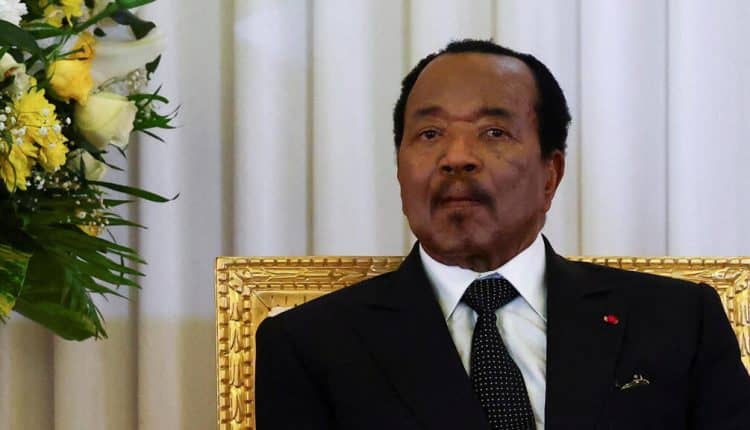
The prolonged absence of the Head of State and the verbal inertia of the executive branch have gone beyond a simple matter of timing. They now constitute a major political issue and a burning civic problem. By choosing secrecy over transparency, the government is fueling anxiety and fracturing the pact of trust essential to the nation’s stability.
For several weeks, the President’s voice has vanished. This communicative void is immediately filled with rumors, speculation, and all sorts of theories. In an institutional framework where the voice of the top sets the tone, the slightest shadow at the top creates unease at the grassroots level. This silence is all the more unbearable because the daily lives of citizens do not pause: they remain marked by the high cost of living, the deterioration of public services, and the blocking of crucial economic decisions.
Discretion can be a temporary strategic stance. But taken to extremes and deprived of credible institutional support, it ceases to be a sign of control and becomes an admission of weakness. Laconic statements assuring that « the state is functioning » are no longer enough to reassure a public that demands to see, to know, and to understand. Mere administrative continuity will never replace political legitimacy, which is maintained through constant and transparent dialogue.
This silence primarily highlights a systemic flaw: the hyper-centralization of power. A state embodied by a single individual falters as soon as that figure is out of sight. This absence reveals the inability of secondary institutions to publicly assume leadership without arousing suspicion. Consequently, the stage is set for protests: debates about a potential power vacuum, denunciations of proxy governance, and popular exasperation. All these are symptoms of a profound crisis of confidence.
The power of a state is measured neither by the opacity of its agenda nor by its cult of secrecy. This is demonstrated by its ability to communicate with its population clearly, frankly, and responsively.
It is now up to the authorities to dispel any ambiguities and ensure the continuity of the state. It is incumbent upon citizens and the media to rigorously demand this accountability, sticking to the facts rather than succumbing to the excesses of social media.
The stability of a nation rests on clarity. For the people to cease their protests, the government must first break the silence that is causing them to erupt.
✍️ By Iréné N’KOUE (Intern)
À propos de cet auteur