WORLD BREASTFEEDING WEEK: Every drop counts for children’s health
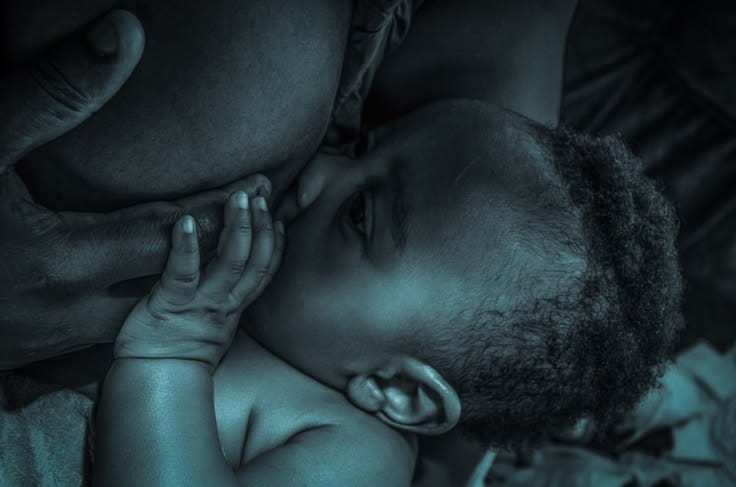
From August 1st to 7th, the world celebrates World Breastfeeding Week. This year again, the message resonates powerfully: breastfeeding is giving life. It’s an essential practice, starting in the newborn’s first hours and continuing exclusively for the first six months.
For a newborn, breast milk goes far beyond simply providing food. « It’s a true medicine, a natural protection, » explains Minawarath Salifou, a midwife at CHUD-Borgou. She highlights the immediate benefits of this practice:
Colostrum, a first natural vaccine: This yellowish fluid produced during the first three days is rich in antibodies. It lines the baby’s intestines and protects them against infections.
Tailor-made nutrition (100% adapted): For the first six months, breast milk provides everything the infant needs: water, protein, fat, and sugars. No water or herbal tea is necessary: the breast is more than enough.
A protective shield: It reduces by half the risk of diarrhea and respiratory infections, the leading causes of death in infants.
Brain development and bonding: Skin-to-skin contact during breastfeeding stimulates the child’s brain development while forging a powerful emotional bond with the mother.
Good to know: Mothers benefit too! Breastfeeding promotes post-pregnancy weight loss, reduces bleeding after childbirth, and lowers the risk of breast cancer.
Exclusively breastfeeding for six months, then continuing until two years or more, is not solely the mother’s responsibility. It is a commitment that concerns the entire society. From partner support to employer flexibility, and including support from healthcare professionals, every little helps.
« A matter of organization and conviction. » For this shopkeeper, the choice was clear despite the pressure: « My child is 1 year and 8 months old, and I’m still breastfeeding. At first, it was painful, but the midwife taught me the correct position. Now, he rarely gets sick. At the market, I pump my milk to give him some. Despite comments from those around me pushing me to wean, I’m continuing: the WHO recommends breastfeeding until 2 years or older. It’s my choice, and it brings us much closer. »
Common misconception: Does breastfeeding damage the breasts?
This is one of the most widespread misconceptions among new mothers. The scientific reality: it’s not breastfeeding that changes the breasts, but pregnancy itself. Under the influence of hormones, breast size fluctuates well before birth. Wearing a well-fitting bra and maintaining good posture are far more effective at preserving breast health than giving up breastfeeding.
Unfortunately, a lack of awareness of these facts leads some mothers to stop breastfeeding too soon, as this young mother testifies: “I stopped at four months out of fear. My friends told me my breasts would sag. I was also ashamed to breastfeed in public, so I opted for formula. Today, I regret it. I didn’t realize how irreplaceable breast milk is. For my next child, I’ll persevere.”
Breastfeeding should no longer be a taboo subject or a solitary ordeal. Let’s make it a collective priority, because every drop of milk counts in building the health of future generations.
✍️ Azoumi KORA (Intern)
À propos de cet auteur