TCHOUCOUTOU CONSUMPTION: A drink that warms the body, but chills the future
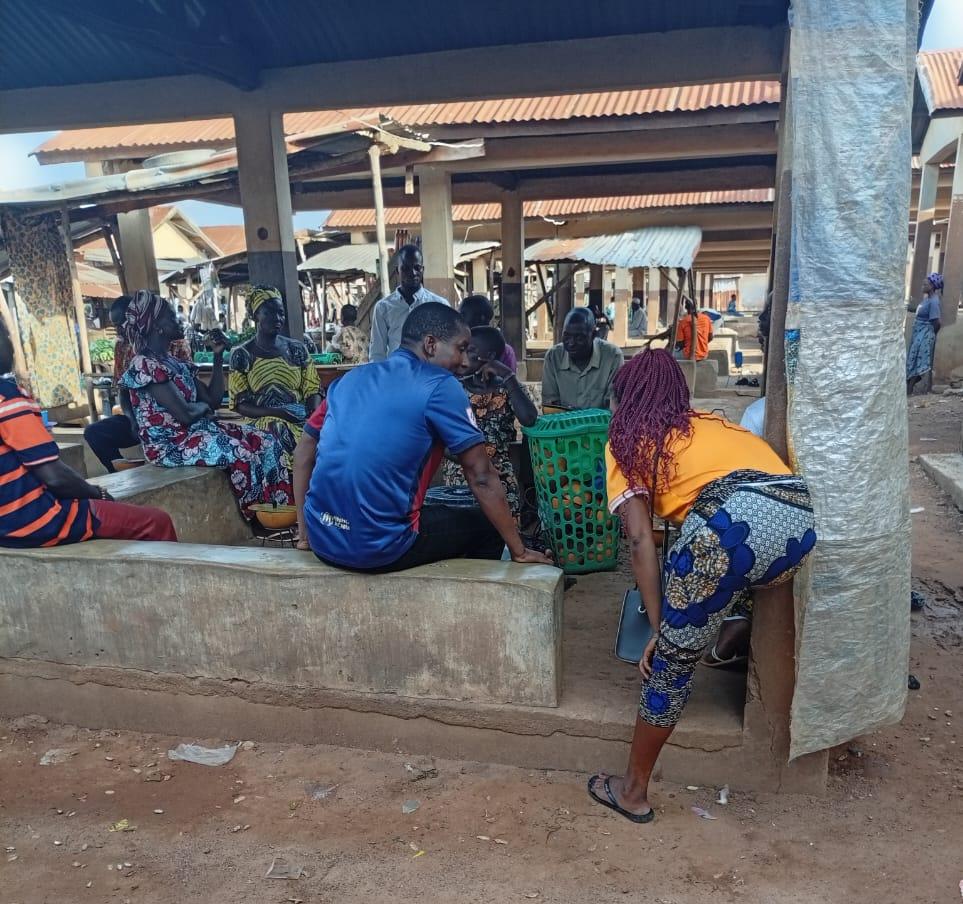
In northern Benin, Tchoucoutou is much more than a drink: it’s a symbol of identity, brewed from millet. From one calabash to another, it flows freely. But this source of local pride becomes a trap when moderation is lost. Consumed in excess, it damages the liver, empties pockets, and breaks up families. The line between tradition and excess is thin. At just 100 CFA francs, this beverage sometimes destroys more families than poverty itself. A deep dive into the heart of an addiction to local flavors.
The situation is particularly alarming among young people, who gather in groups to consume this product excessively. Noël Kouagou N’Tcha, a regular consumer, confides: « I drink it with friends, mainly to relax. » According to him, this practice allows people to forget their daily worries. He admits, however, that in the euphoria of the moment, the normal dose is very often exceeded.
This quest for distraction is viewed quite differently by Cosme Oloukoué, a welder by trade. For him, this argument is nothing but a smokescreen. « Talking about distraction is masking reality, » he laments, pointing instead to the pervasive idleness. He believes that unemployment and idleness are the real drivers of this rampant consumption among young people: « For some, it’s a matter of tradition, but for others, it reflects a lack of prospects. »
These excesses are obviously not without consequences. Beyond the difficult mornings after, marked by « headaches and vomiting » mentioned by Noël, the abuse of Tchoucoutou leads to much more serious behavioral problems.
“We’re seeing a lot of accidents on the Arafat-Baka section of road, due to some young people losing control,” laments welder Cosme Oloukoué. He adds that intoxication often leads to heightened aggression: “They become brutal and lose all awareness of their actions.”
Faced with this grim picture, a glimmer of lucidity sometimes emerges. Aware of the occupational and health risks, Noël confides his intention to quit: “I’m thinking about stopping one day.”
For many observers, if this consumption has reached such critical proportions, it’s also due to a lack of guidance and awareness among young people. “My people perish for lack of knowledge,” Cosme reminds us, quoting a famous biblical verse. He actively advocates for awareness campaigns about the dangers of alcoholism, so that these young people realize they are buying their future illnesses and social problems with their own money.
Relaxing is one thing, but it should never come at the expense of human life. Cosme Oloukoué’s message resonates as a necessary warning: preserving one’s health remains the top priority.
✍️ Prospère CAKPO & Déodora ALLOGBE (Interns)
À propos de cet auteur