
DIGITAL ADVERTISEMENTS: Targeted fraud or simple algorithmic logic?
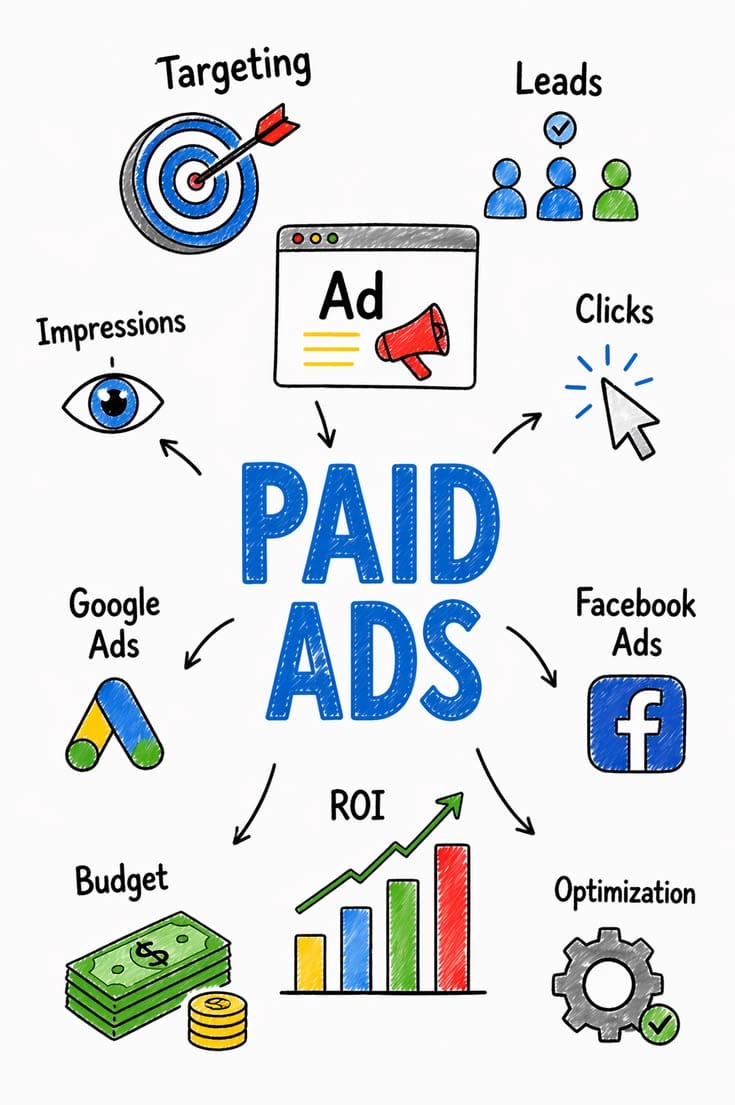
Every minute spent on social media generates thousands of opportunities. Today, these platforms have far surpassed the realm of simple entertainment to become powerful commercial hubs. Now, all it takes is an internet connection for our screens to be flooded with advertisements before we even access the desired content. Promises of quick profits, miracle businesses for getting rich in the blink of an eye: advertising pressure is omnipresent and seems to track every user. Is this simply a digital mechanism or aggressive targeting? Some answers from Dr. Issihako Zime Lafia, a digital expert.
The debate remains open. On one side, entrepreneurs and content creators are engaged in a frantic quest for visibility. On TikTok, Facebook, or Instagram, a few videos or photos are all it takes to spread stories of meteoric success, complete with screenshots of impressive earnings. In reality, these visuals are meticulously crafted to grab immediate attention. As Dr. Issihako Zime Lafia explains, « Persistent advertising aims to transform a fleeting presence into a lasting competitive advantage by remaining constantly top of mind for the consumer. » This omnipresence often blurs the line between truth and fiction.
Yet, for many users, social media remains an exceptional tool for promoting products at a lower cost. This channel allows young people to develop digital skills and launch income-generating activities. Dr. Issihako Zime Lafia also emphasizes the importance of this economic model: « Digital advertising is the fuel of the free web, funding a multitude of content and services. »
But the reality behind the scenes can sometimes be quite dark. Behind promises of tripling one’s salary lie exaggerated, even deceptive, realities: identity theft, elaborate scams, and false promises that drive some to resign from their jobs. Financial losses are substantial for those who invest in unverified products or worthless training programs. In Benin, the threat is very real. « Official data reveals the extent of the damage: 6,500 complaints were registered in 2025 for digital offenses, leading the National Center for Digital Investigation (CNIN) to arrest 1,500 suspects that same year, » warns the expert.
Faced with this proliferation of traps, vigilance is essential. Every internet user must absolutely verify the reliability of advertisements before buying or applying for jobs, and avoid sharing their personal data on dubious platforms. To navigate safely, Dr. Zime LAFIA shares five golden rules:
Beware of offers that seem too good to be true: If an offer appears extraordinary, it’s almost always a scam.
Type addresses directly: Don’t click on suspicious advertising links. Type the official URL yourself into your browser.
Verify the advertiser’s identity: Be wary of ads that impersonate celebrities or well-known brands.
Protect your devices: Use an ad blocker (AdBlocker).
Report abuse: Use the platform’s tools to report fraudulent content.
While social media opens up a world of possibilities for entrepreneurship, it also harbors dangerous illusions. Economic success relies on real skills and hard work, far removed from virtual facades.
Edwige GADEDJI (Intern)
À propos de cet auteur