
SMOKING AMONG YOUNG PEOPLE: A fleeting pleasure with lifelong consequences
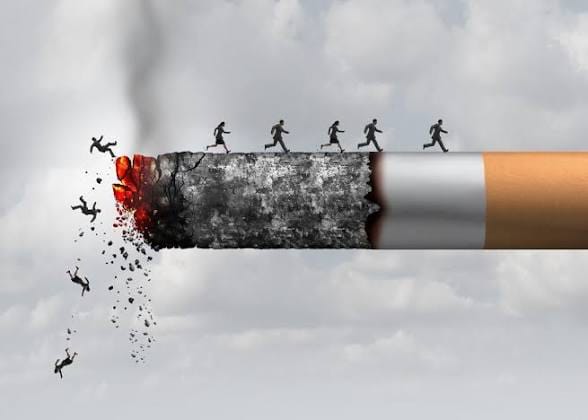
Smoking remains one of the greatest public health challenges. Despite repeated awareness campaigns, an alarming fact remains: more and more young people continue to succumb to the temptation of cigarettes. Between the search for thrills, the desire to fit in, and the downward spiral of addiction, the consequences for their health are devastating.
According to Dr. Éric Yasse, cigarettes provide smokers with « a feeling of pleasure, satisfaction, and a desired effect with each puff. » This temporary relief is directly linked to nicotine. The problem? This highly addictive substance very quickly creates a strong dependence, transforming a simple recreational act into a daily need that is extremely difficult to break.
Behind this fleeting pleasure lies a grim biological reality. Dr. Yasse outlines the main dangers of tobacco.
Cancer risks: Tobacco smoke contains dozens of substances known to be carcinogenic.
Respiratory failure: Regular smoking gradually destroys the lungs. The accumulation of carbon monoxide in the body suffocates cells and significantly reduces respiratory capacity.
Smoking is not an isolated act. The exhaled smoke directly endangers non-smokers around the smoker. By involuntarily breathing this toxic air, loved ones—spouses, children, colleagues—are also exposed to serious respiratory and cardiovascular diseases. Smoking is therefore a problem that concerns the entire community.
For smokers who want to quit, Dr. Éric Yasse offers reassurance: the benefits of quitting smoking are immediate, regardless of age or the number of years of smoking.
Although quitting is a difficult process due to nicotine withdrawal, solutions do exist. The doctor specifically recommends the use of nicotine replacement therapies (such as patches or chewing gum) to alleviate withdrawal symptoms and effectively support patients on their path to recovery.
Given the vulnerability of adolescents, health specialists are calling for an urgent intensification of education and prevention campaigns. While the first cigarette promises immediate pleasure, the lasting effects are long-lasting.
Christian AKPAKPA (Intern)
À propos de cet auteur