
WORLD HEPATITIS DAY: Know, detect, treat
Every July 28, the world celebrates World Hepatitis Day. The goal is simple: to raise awareness of a silent disease that affects millions of people and yet can be prevented and treated.
Hepatitis is defined as inflammation of the liver, which can be acute or chronic. The causes are numerous: while it is most often viral (forms A, B, C, D, and E), it can also be caused by alcohol, medication, toxins, or autoimmune diseases.
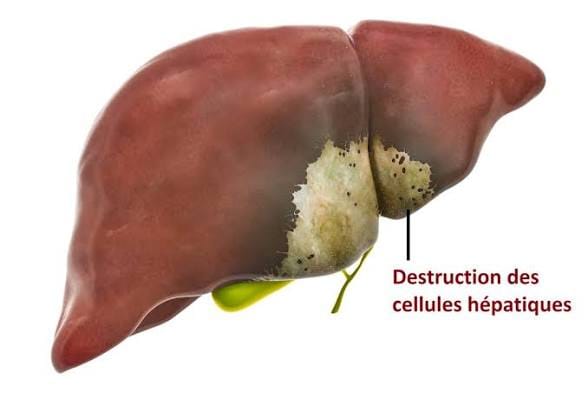
The danger lies in its often asymptomatic nature in its early stages: the signs are often limited to fatigue, nausea, or jaundice. As a result, many people live with the virus for years without knowing it, exposing themselves to serious complications such as liver damage, cirrhosis, or liver cancer. Hepatitis B and C are responsible for the majority of deaths from this disease worldwide.
Transmission varies depending on the type of virus:
Hepatitis A and E: These are transmitted through contaminated water and food, often due to poor hygiene.
Hepatitis B, C, and D: These are spread through blood, unprotected sex, from mother to child during childbirth, or via unsterilized medical, scarification, or tattooing equipment. Sharing a razor blade or toothbrush can also be enough to contract the virus.
To prevent hepatitis, Dr. Éric Yass emphasizes simple but essential steps:
Vaccination: Vaccination is available for hepatitis A and B and is the most effective means of protection.
Avoiding risks: All contact with blood must be avoided, and sharing sharp or pointed objects (blades, syringes, tattooing instruments) should be avoided.
Sexual protection: condoms remain essential against blood-borne and sexually transmitted infections.
Strict hygiene: handwashing remains fundamental, especially for preventing hepatitis A and E.
Liver protection: regarding non-viral causes, it is advisable to limit, or even avoid, the consumption of alcohol and hepatotoxic medications.
Today, hepatitis C is curable in more than 95% of cases with treatments lasting 8 to 12 weeks. As for hepatitis B, although it cannot always be definitively cured, effective medications can control the virus and prevent complications.
The major problem lies in the fact that 8 out of 10 people are unaware that they are carriers. Hence the crucial importance of screening: a simple blood test is all it takes. The earlier the disease is detected, the earlier the liver is protected.
Each edition of this international day emphasizes access to healthcare. The urgent need remains the same: to break down the barriers of cost, ignorance, and stigma. A person who is tested is a person who can be treated; a vaccinated person is a protected person.
Hepatitis is not inevitable:
It can be prevented through vaccination and good hygiene.
It can be detected through testing.
It can be treated with medication.
This July 28th, the message is clear: let’s get informed, get tested, protect ourselves, and protect others. Because a healthy liver means a healthy life.
Azoumi KORA (Intern)
À propos de cet auteur